
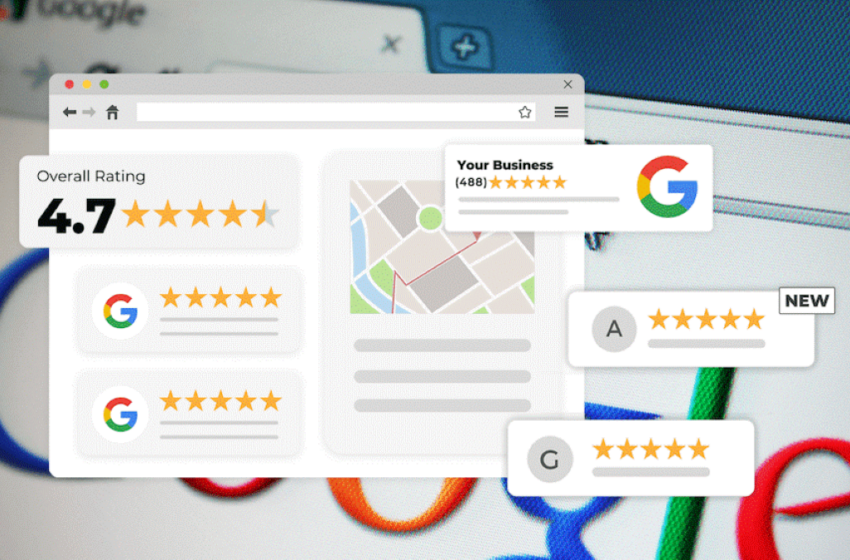
Learn how to build a strong online reputation, encourage more positive reviews, and professionally handle negative feedback to grow your business.
Your Online Reputation Is Your New First Impression
Years ago, customers relied on recommendations from friends or family before choosing a business. Today, most people check online reviews first.
Whether someone is looking for a restaurant, dentist, marketing agency, contractor, or web designer, one of the first things they notice is your Google rating. Before they visit your website or call your office, they’re already asking themselves:
- How many people recommend this business?
- What do recent customers say?
- Does the company respond to reviews?
- Can I trust them?
For many businesses, online reviews have become one of the most powerful sales tools. A strong reputation can significantly increase website traffic, phone calls, and conversions, while poor reviews—or no reviews at all—can drive potential customers straight to competitors.
In this guide, you’ll learn why online reputation matters, how Google reviews affect your local visibility, and practical strategies for earning more positive feedback while handling negative reviews professionally.

Why Google Reviews Influence Buying Decisions
Imagine two businesses offering the same service.
Business A:
- ★★★★★ 4.9 rating
- 320 reviews
- Recent customer feedback
- Active owner responses
Business B:
- ★★★☆☆ 3.6 rating
- 14 reviews
- Last review posted two years ago
- No responses from the owner
Which business would you contact first?
Most customers naturally choose the company with the stronger reputation.
Reviews reduce uncertainty. They provide social proof that real people have successfully worked with your business before making their own purchasing decision.
Reviews Affect More Than Customer Trust
Positive reviews don’t just influence buyers—they also impact your visibility in Google Search and Google Maps.
Google considers several review-related signals when determining local rankings, including:
- Overall rating
- Number of reviews
- Review frequency
- Review quality
- Business responses
- Keyword relevance within reviews
A business that consistently receives authentic reviews appears more active and trustworthy, making it more likely to appear in local search results.
Good reviews support both SEO and conversion optimization.
Why Customers Leave Reviews
Most satisfied customers won’t automatically leave a review.
Not because they disliked your service.
Simply because they forget.
Meanwhile, unhappy customers often feel much more motivated to share their experience.
This creates an imbalance where businesses receive more negative feedback than their overall customer experience deserves.
The solution isn’t to manipulate reviews.
It’s to make leaving honest feedback simple and convenient.
How to Encourage More Positive Reviews
The best review strategy begins with delivering an excellent customer experience.
Once you’ve exceeded expectations, ask for feedback while the experience is still fresh.
Timing matters.
Good moments to request a review include:
- Immediately after completing a project
- After a successful installation
- Following a positive customer conversation
- When a client expresses satisfaction
- After resolving a support request
Customers are far more likely to leave a review when they’re already happy with the outcome.
Make the Review Process Easy
Even satisfied customers may abandon the process if it’s complicated.
Remove as much friction as possible.
Helpful methods include:
- Sending a direct Google review link
- Including a QR code on invoices or business cards
- Following up with an email
- Sending a polite SMS message
- Adding a review request to your thank-you page
The fewer steps customers must complete, the higher your response rate.
Ask Naturally—Not Aggressively
Review requests should feel personal rather than automated.
Examples include:
“We’re glad you’re happy with the project. If you have a minute, we’d really appreciate your feedback on Google. Your review helps other customers feel confident choosing our business.”
Keep the request short, sincere, and optional.
Avoid pressuring customers.
Never Buy Fake Reviews
Some businesses attempt to improve their ratings by purchasing fake reviews.
This approach creates serious risks.
Fake reviews may result in:
- Google penalties
- Profile suspensions
- Loss of customer trust
- Permanent damage to your reputation
Modern review systems are increasingly effective at detecting suspicious activity.
Authentic reviews always outperform manufactured ones in the long run.
Respond to Every Review
One of the easiest ways to strengthen your online reputation is simply responding.
Customers notice businesses that engage with feedback.
For positive reviews:
- Thank the customer
- Mention something specific
- Keep the response personal
Example:
Thank you for your kind words, Sarah. It was a pleasure helping you redesign your website, and we’re thrilled to hear it’s already generating more inquiries. We appreciate your support.
Personalized responses show that every customer matters.
How to Handle Negative Reviews Professionally
Negative reviews are inevitable.
Even outstanding businesses occasionally receive criticism.
The goal isn’t to avoid every negative review.
It’s to demonstrate professionalism in your response.
Before replying:
- Stay calm
- Avoid emotional reactions
- Investigate the situation
- Respond politely
- Offer to continue the conversation privately if necessary
Example:
Thank you for bringing this to our attention. We’re sorry your experience didn’t meet expectations. We’d appreciate the opportunity to learn more and work toward a solution. Please contact us directly so we can resolve the issue.
Future customers often judge your business more by your response than by the complaint itself.
What If the Review Is Fake?
Occasionally, businesses receive reviews from people who were never customers.
If this happens:
- Avoid public arguments
- Respond professionally
- Report the review through Google if it violates review policies
- Continue collecting genuine reviews from real customers
A large number of authentic positive reviews naturally reduces the impact of isolated fake reviews.
Showcase Reviews Beyond Google
Don’t limit customer testimonials to your Google Business Profile.
Display them throughout your marketing channels.
Include reviews on:
- Your homepage
- Service pages
- Landing pages
- Social media
- Email newsletters
- Sales presentations
Positive customer experiences strengthen trust wherever potential buyers encounter your brand.
Turn Reviews into Marketing Content
Every review contains valuable customer language.
Use recurring themes to improve your messaging.
If multiple customers mention:
- Fast communication
- Excellent customer service
- Professional design
- Quick turnaround
- Helpful support
Highlight those strengths in your website copy and advertising.
Customer words often resonate more strongly than traditional marketing language.
Build a Long-Term Reputation Strategy
Online reputation isn’t something you manage once.
It requires ongoing attention.
Develop a simple monthly routine:
- Ask satisfied customers for reviews
- Respond to every new review
- Upload new business photos
- Update your Google Business Profile
- Monitor your overall rating
- Address customer concerns quickly
Small, consistent actions create lasting results.
Common Reputation Management Mistakes
Avoid these common errors:
- Ignoring reviews
- Only responding to negative feedback
- Copying the same generic response
- Arguing with customers publicly
- Buying fake reviews
- Asking only friends or employees to leave reviews
- Waiting months before responding
- Making review requests difficult
Professional reputation management focuses on authenticity and consistency.
Online Reputation Checklist
Before considering your reputation strategy complete, review this checklist.
Google Reviews
✔ Regularly request honest customer reviews
✔ Send direct review links
✔ Make reviewing simple
✔ Never buy fake reviews
Customer Engagement
✔ Respond to every review
✔ Thank satisfied customers
✔ Address complaints professionally
✔ Resolve issues whenever possible
Website
✔ Display testimonials
✔ Publish case studies
✔ Showcase customer success stories
✔ Include review snippets on key pages
Reputation Management
✔ Monitor new reviews weekly
✔ Track your average rating
✔ Encourage continuous feedback
✔ Learn from customer suggestions
Final Thoughts
In today’s digital marketplace, your online reputation is one of your most valuable business assets. Long before a potential customer visits your website, requests a quote, or makes a purchase, they’re evaluating your credibility through the experiences of others.
A steady stream of authentic, positive reviews builds trust, improves your visibility in Google Search and Google Maps, and increases the likelihood that visitors will choose your business over a competitor. At the same time, thoughtful responses to negative feedback demonstrate professionalism, accountability, and a genuine commitment to customer satisfaction.
The strongest online reputations aren’t built overnight. They grow through consistently delivering excellent service, making it easy for happy customers to share their experiences, and treating every review—positive or negative—as an opportunity to strengthen your brand.
If you make review management a regular part of your digital marketing strategy rather than an occasional task, you’ll not only improve your online reputation but also create a lasting competitive advantage that continues to generate leads, build customer confidence, and increase sales for years to come.