A practical comparison of Google Ads, social media advertising, SEO, and content marketing to help you choose the right customer acquisition strategy.
The Biggest Question Every Business Owner Asks
No matter what product or service you offer, one challenge remains the same:
“Where can I find more customers?”
The internet offers dozens of marketing channels, each promising fast growth and impressive returns. Google Ads, Facebook Ads, Instagram campaigns, SEO, TikTok, LinkedIn, YouTube, email marketing, content marketing—the options seem endless.
For many entrepreneurs, this creates confusion. They invest in the wrong channel, expect instant results, become disappointed, and conclude that digital marketing simply doesn’t work.
The truth is that every traffic source has its strengths and weaknesses. The best channel depends on your business model, your budget, your sales cycle, and how quickly you need results.
This guide compares the most effective online marketing channels so you can decide where to invest your time and money.
Understanding the Difference Between Traffic Sources
Not all website visitors arrive in the same way.
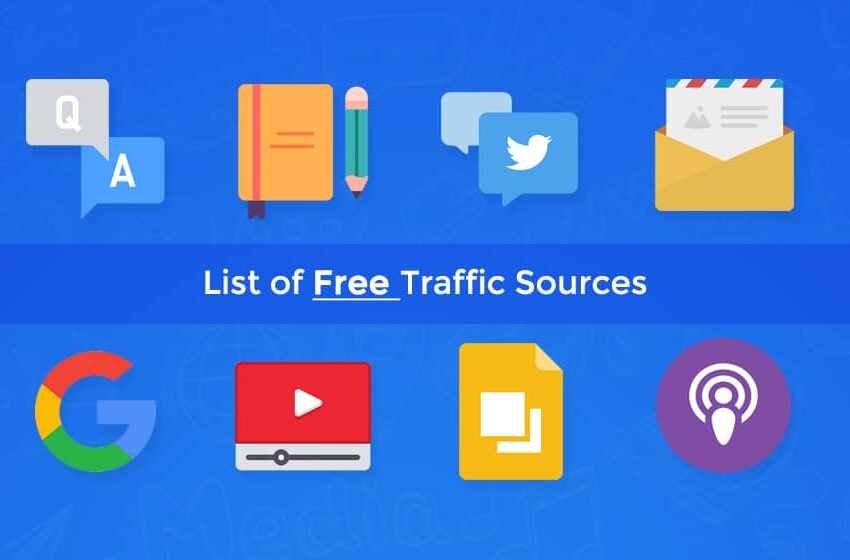
Traffic generally falls into three categories:
Paid Traffic
You pay platforms to display your ads.
Examples include:
- Google Ads
- Facebook Ads
- Instagram Ads
- LinkedIn Ads
- TikTok Ads
- YouTube Ads
Results can appear almost immediately, but traffic stops once your advertising budget ends.
Organic Traffic
Visitors find your business naturally through search engines or social media.
Examples include:
- Google Search
- Blog articles
- YouTube videos
- Organic LinkedIn posts
Organic traffic usually takes longer to build but continues generating visitors long after content is published.
Referral and Direct Traffic
People discover your business through:
- Online reviews
- Partner websites
- Local directories
- Email campaigns
- Word-of-mouth recommendations
These visitors often have high trust because they arrive through recommendations or previous interactions.
A healthy business typically combines several traffic sources instead of relying on just one.
Google Ads: Fast Results for High-Intent Customers
Google Ads places your business in front of people actively searching for your products or services.
For example:
- Emergency plumber near me
- Website designer for small business
- Personal injury lawyer
- HVAC repair
- Ecommerce development services
These users already have a problem they want to solve.
That makes Google Ads one of the highest-intent marketing channels available.
Advantages
- Immediate visibility
- Highly targeted traffic
- Excellent for local services
- Strong purchase intent
- Easy performance tracking
Challenges
- Competitive keywords can be expensive
- Requires ongoing optimization
- Traffic disappears when ads stop
- Poor landing pages reduce ROI
Google Ads is ideal for businesses that need leads quickly and have a clear sales process.
Social Media Advertising
Platforms like Facebook, Instagram, LinkedIn, and TikTok allow businesses to reach users based on demographics, interests, behaviors, and online activity.
Unlike Google Ads, users aren’t necessarily searching for your service.
Instead, you’re introducing your business while they browse social media.
This makes social advertising particularly effective for building awareness.
Best for
- Ecommerce stores
- Lifestyle brands
- Beauty businesses
- Fitness services
- Fashion
- Restaurants
- Home improvement
- Events
Advantages
- Detailed audience targeting
- Strong visual storytelling
- Brand awareness
- Remarketing opportunities
- Lower entry costs
Challenges
- Lower purchase intent
- Creative fatigue
- Constant testing required
- Short attention spans
Success depends heavily on engaging images, videos, and compelling offers.
Search Engine Optimization (SEO)
SEO focuses on improving your website’s visibility in Google’s organic search results.
Instead of paying for each visitor, you earn traffic through high-quality content and website optimization.
Examples include ranking for searches like:
- Best accountant for small business
- Website redesign services
- How much does SEO cost?
- Digital marketing agency near me
SEO requires patience but provides long-term value.
Advantages
- Sustainable traffic
- High credibility
- Lower long-term acquisition costs
- Continuous lead generation
- Supports every stage of the buying journey
Challenges
- Slow results
- Ongoing content creation
- Competitive industries require persistence
- Technical optimization is essential
SEO works especially well for businesses planning long-term growth.
Content Marketing
Content marketing involves creating valuable resources that educate potential customers before they make purchasing decisions.
Examples include:
- Blog articles
- Buying guides
- Case studies
- Videos
- Podcasts
- Infographics
- Webinars
Rather than directly selling, content builds trust and demonstrates expertise.
Helpful content often generates:
- Organic traffic
- Social shares
- Backlinks
- Email subscribers
- Qualified leads
Businesses that consistently publish useful content often establish themselves as industry authorities.

Email Marketing
Email remains one of the highest-return digital marketing channels.
Unlike social media, you own your email list.
You aren’t dependent on changing algorithms.
Effective email campaigns include:
- Newsletters
- Educational content
- Promotions
- Customer follow-ups
- Product announcements
Email works best for nurturing existing relationships rather than attracting completely new audiences.
Social Media Content
Organic social media should complement—not replace—your overall marketing strategy.
Regular posting helps:
- Increase visibility
- Build trust
- Demonstrate expertise
- Engage existing customers
- Strengthen brand recognition
However, organic reach has declined on many platforms.
Businesses should view social media primarily as a relationship-building tool.
Google Business Profile
For local service businesses, Google Business Profile is one of the most valuable free marketing tools available.
An optimized profile improves visibility in:
- Google Maps
- Local search
- Mobile searches
Combined with positive reviews and local SEO, it becomes a powerful lead-generation channel.
Referral Marketing
Satisfied customers remain one of your best marketing assets.
Referral marketing often generates:
- Higher-quality leads
- Faster purchasing decisions
- Lower acquisition costs
- Greater customer trust
Encourage referrals by:
- Delivering exceptional service
- Following up after projects
- Asking happy customers for recommendations
- Offering referral incentives where appropriate
Word-of-mouth remains incredibly effective in the digital age.
Which Traffic Source Is Best for Your Business?
Local Service Businesses
Examples:
- Electricians
- Roofers
- Lawyers
- Dentists
- Contractors
- Cleaning companies
Recommended channels:
- Google Business Profile
- Local SEO
- Google Ads
- Customer reviews
People usually search for these services when they need immediate solutions.
Ecommerce Stores
Recommended channels:
- Google Shopping Ads
- Facebook Ads
- Instagram Ads
- TikTok Ads
- Email marketing
Visual advertising performs particularly well for physical products.
B2B Companies
Recommended channels:
- SEO
- Google Ads
- Content marketing
- Email marketing
Longer buying cycles benefit from educational content.
Professional Services
Examples:
- Consultants
- Agencies
- Financial advisors
- Accountants
Recommended channels:
- SEO
- Case studies
- Webinars
- Google Ads
Trust plays a major role in purchasing decisions.
Why Combining Channels Produces Better Results
Many businesses rely entirely on one traffic source.
This creates unnecessary risk.
Imagine:
Google changes its algorithm.
Advertising costs increase.
Social media reach declines.
Your lead generation could disappear overnight.
Instead, diversify.
For example:
Google Ads generates immediate leads.
SEO builds long-term visibility.
Content marketing establishes authority.
Email nurtures prospects.
Social media strengthens relationships.
Each channel supports the others.
Common Mistakes When Choosing Traffic Sources
Avoid these frequent errors:
- Expecting instant SEO results
- Running ads without optimized landing pages
- Ignoring customer reviews
- Posting randomly on social media
- Creating content without keyword research
- Depending on only one marketing channel
- Stopping campaigns too early
- Measuring traffic instead of conversions
Success comes from consistent optimization rather than chasing every new marketing trend.
Digital Marketing Channel Comparison
Google Ads
✔ Fast results
✔ High purchase intent
✔ Excellent for local businesses
✘ Ongoing advertising costs
Social Media Advertising
✔ Strong audience targeting
✔ Brand awareness
✔ Visual storytelling
✘ Lower buying intent
SEO
✔ Long-term growth
✔ Sustainable traffic
✔ High trust
✘ Requires patience
Content Marketing
✔ Builds authority
✔ Supports SEO
✔ Generates qualified leads
✘ Time-intensive
Email Marketing
✔ High ROI
✔ Customer retention
✔ Repeat sales
✘ Requires an existing audience
Google Business Profile
✔ Free visibility
✔ Local customers
✔ Supports local SEO
✘ Primarily useful for location-based businesses
Final Thoughts
There is no universal traffic source that works perfectly for every business. The most successful companies choose their marketing channels based on customer behavior, business goals, and available resources rather than chasing the latest trend.
If you need immediate leads, paid advertising can deliver fast results. If you’re focused on long-term growth, SEO and content marketing build a sustainable foundation that continues generating traffic over time. For local businesses, an optimized Google Business Profile and strong online reviews can become powerful sources of high-intent customers. Meanwhile, email marketing and social media help strengthen relationships and encourage repeat business.
Instead of asking, “Which marketing channel is the best?”, ask a better question:
“Which channel reaches my ideal customer at the moment they’re most likely to buy?”
Start with one or two channels, measure your results carefully, optimize your strategy based on data, and expand as your business grows. A well-balanced digital marketing strategy isn’t about being everywhere—it’s about being visible where your customers are already looking.